Enrollment opens each March.

Apply Now
Student Life

Curious minds.Busy hands.

Robotics and coding, science fair, debate, Model UN, TED-style talks, and National History Day give students room to explore.

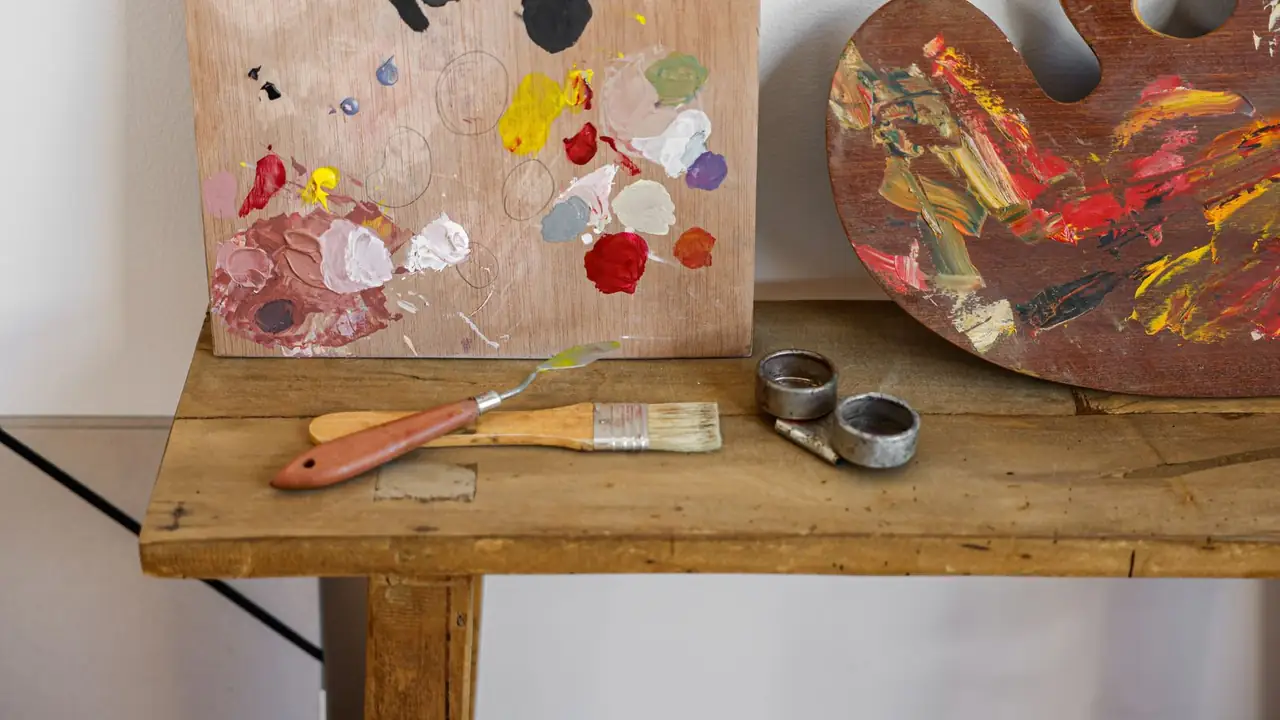
A rustic pine table with a paint-spattered mixing board, a palette knife and brush, and a loaded ochre and red palette.

Arts and STEM

Making things, and making them work.

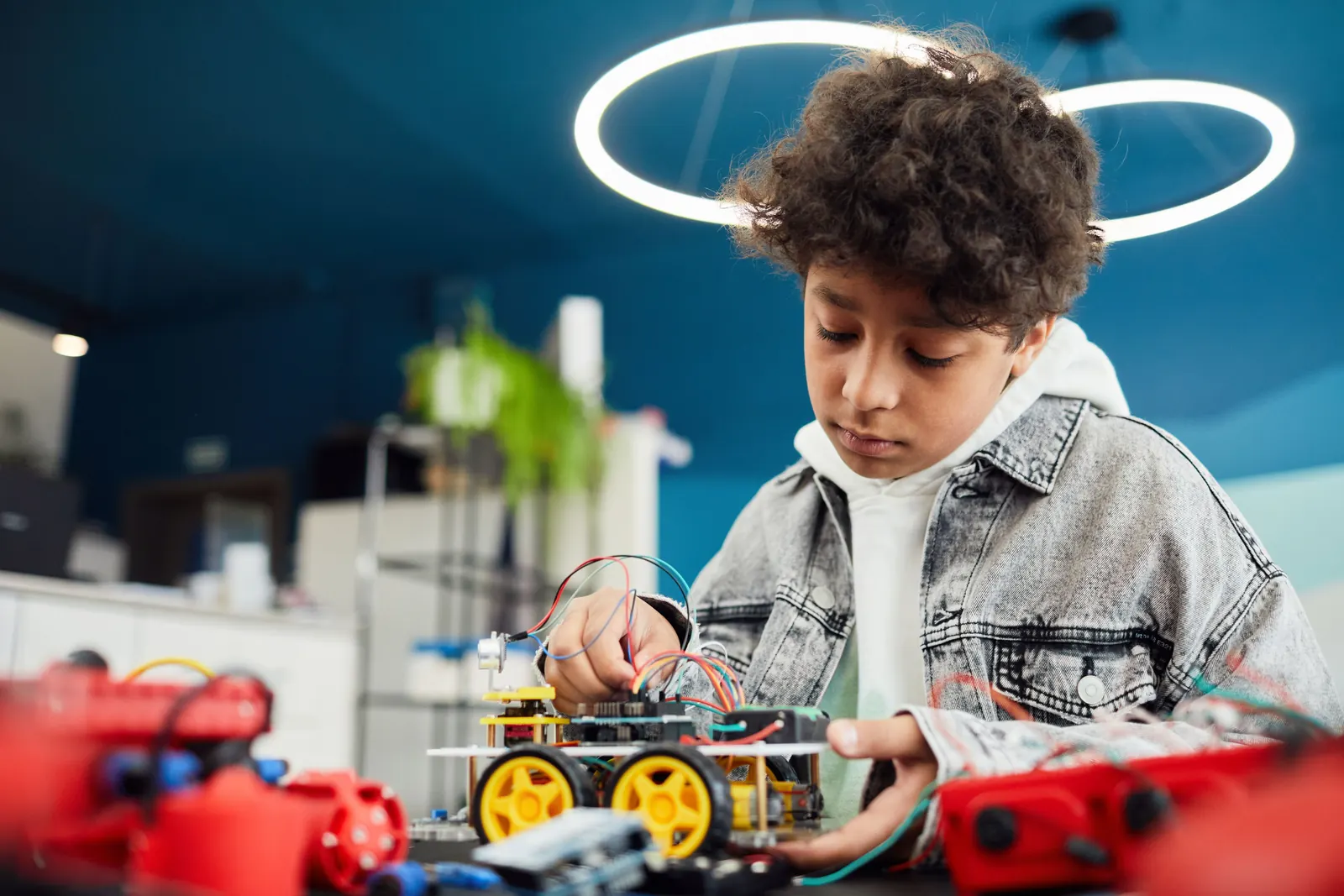
A boy in a denim jacket wires up a small wheeled robot on a workbench scattered with parts

Art and technology both start in the timetable and carry on after school, so a child who finds a spark in class has somewhere to take it.

The arts

Art is part of every child’s timetable from Grade 5. Younger children can join Art Club and Recorder Club, for music. In the middle grades there are creative writing and journalism clubs.

Science and technology

Computer science is a subject for every child from Grade 4, and robotics and coding clubs run from the middle grades through high school. We also have a science lab and a computer lab.

For children who like a problem to solve, there are Mathletes, quiz bowl and Mustang Minds, our puzzle and logic club.

To be confirmed

One sentence for each program on what students actually do in it: for example, what the robotics students build, which languages the coding club uses, and what Recorder Club performs and when.

Showcases

Science fair, Model UN, debate and more.

Beyond the clubs, students can take part in these programs.

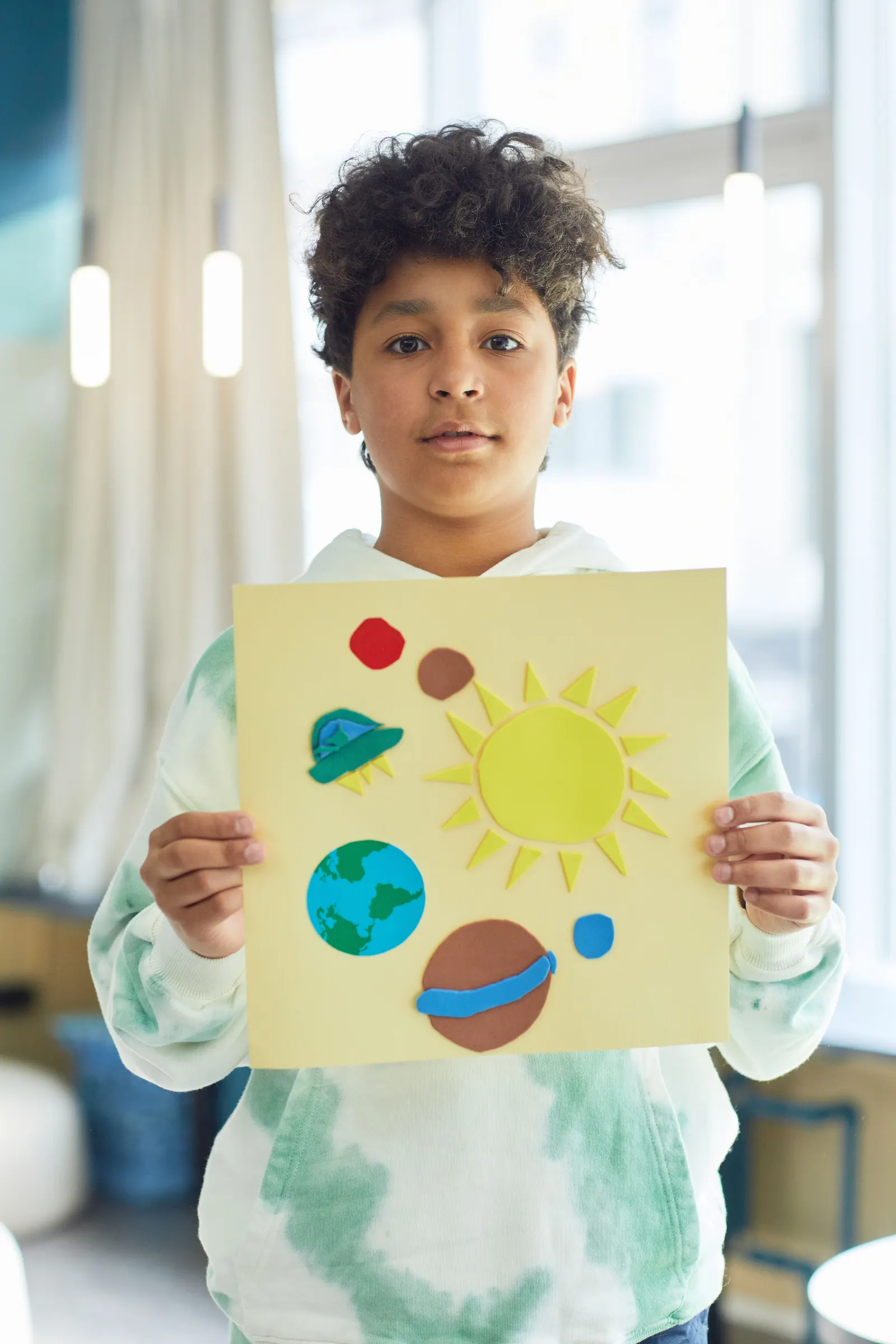
A teenage boy holds up a hand-made model of the solar system he has built

Research

Science fair and National History Day

Students can take part in the science fair and National History Day.

Both teach students to work the way real scientists and historians do. Students learn to ask a good question, look for answers in reliable sources and test their ideas instead of guessing. They learn to plan a long project, keep at it when something does not work the first time, and see it through to the end. And they learn to explain what they found clearly, a skill that serves them in every subject and long after they leave school.
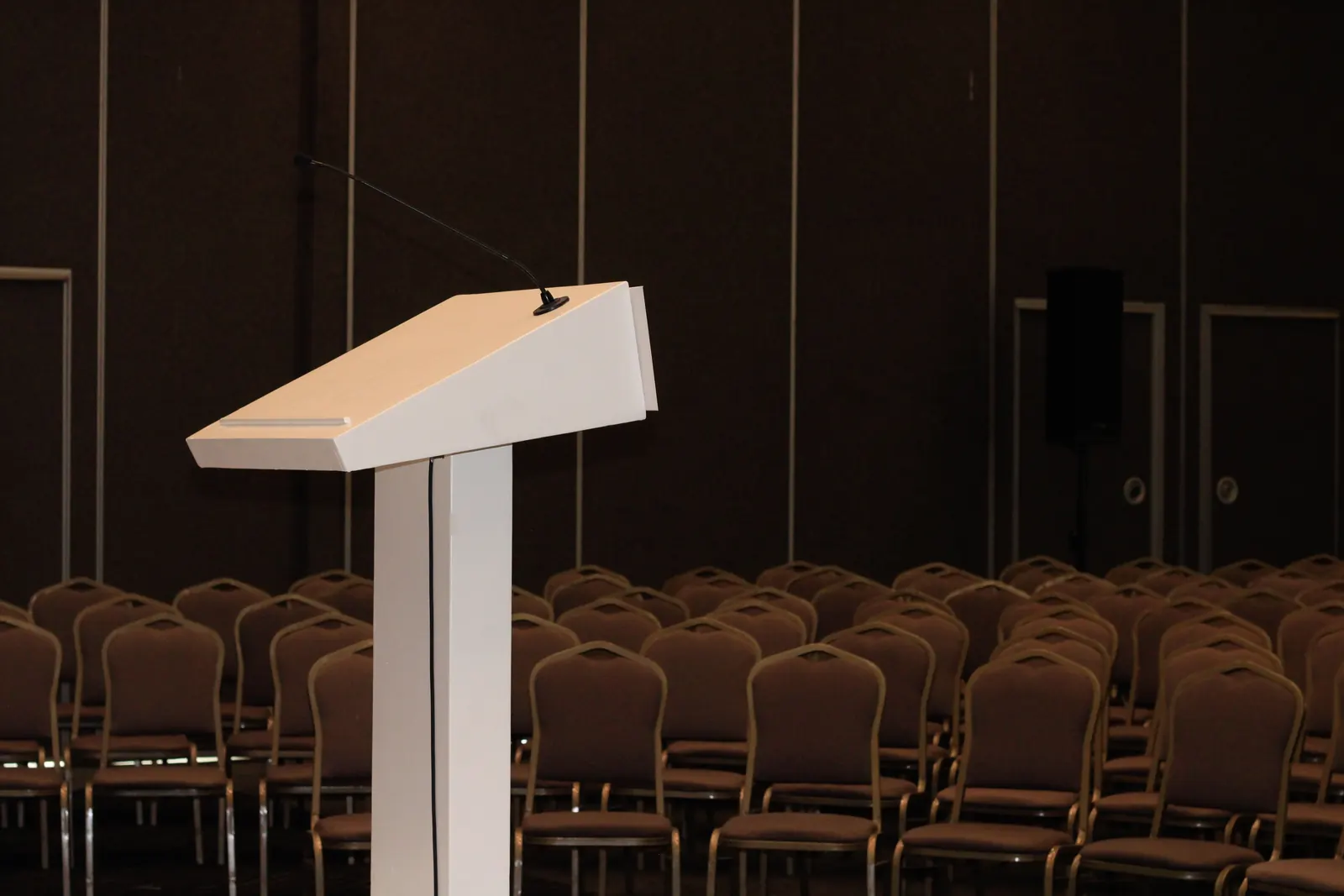
A white speaker's lectern with a microphone before rows of empty chairs in a dark hall

Speaking

Debate, Model UN and TED-style talks

Students can take part in debate, Model UN and TED-style talks.

Model UN is open to middle and high school students.

All three build skills that matter well beyond school. Students learn to research a topic properly, organize their thoughts and back up what they say with evidence. They learn to listen to other points of view and respond with respect, even when they disagree. And they learn to speak in front of others with confidence, which helps them in college interviews, at work and as leaders in their community.

Room to explore

Feed a curious mind.

If your child is always asking why and how, they will find good company and good projects here.

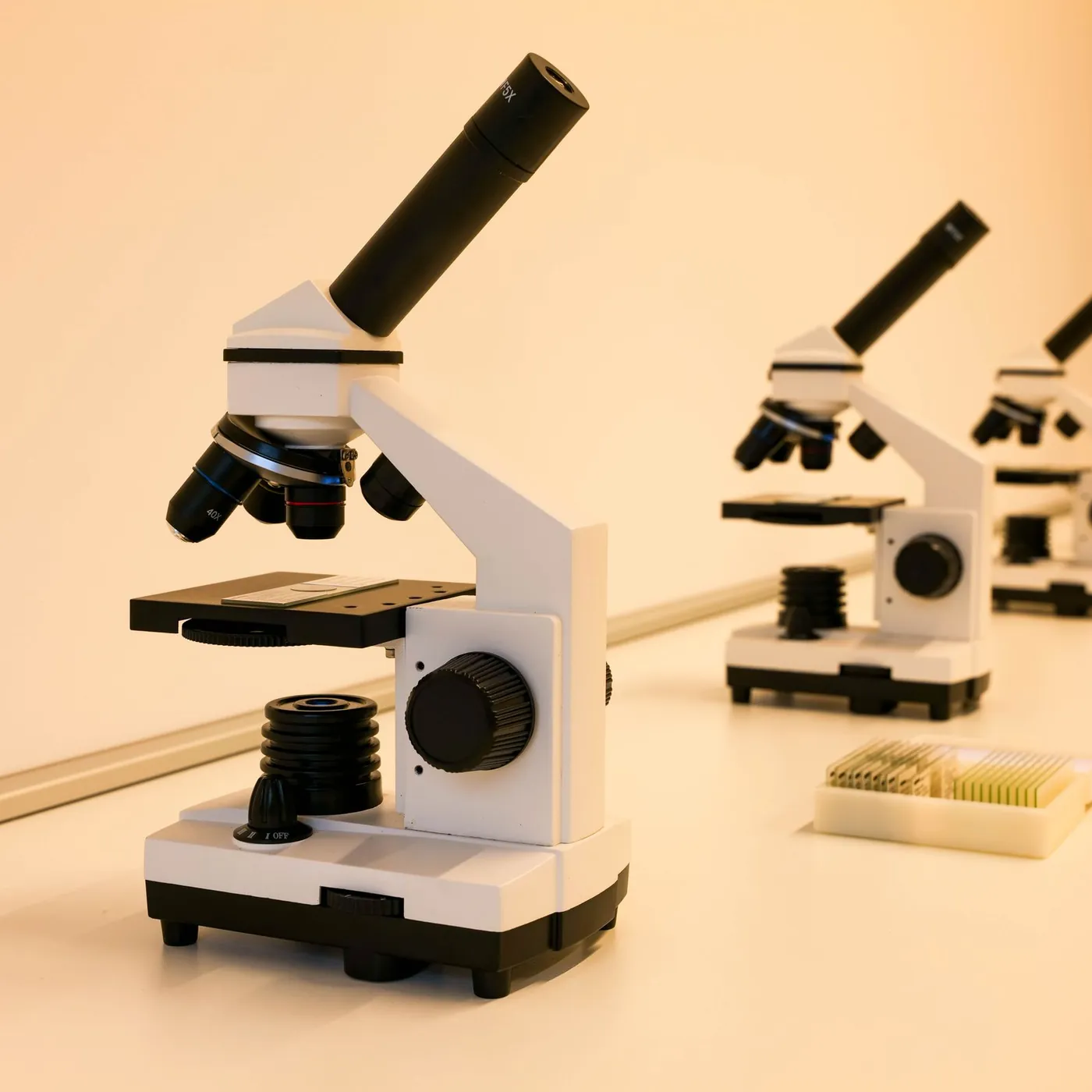
A row of white student microscopes on a lab bench with a box of prepared slides, in warm light